Overview
Mellow, dignified couch companion — low-energy but needs cool environments.
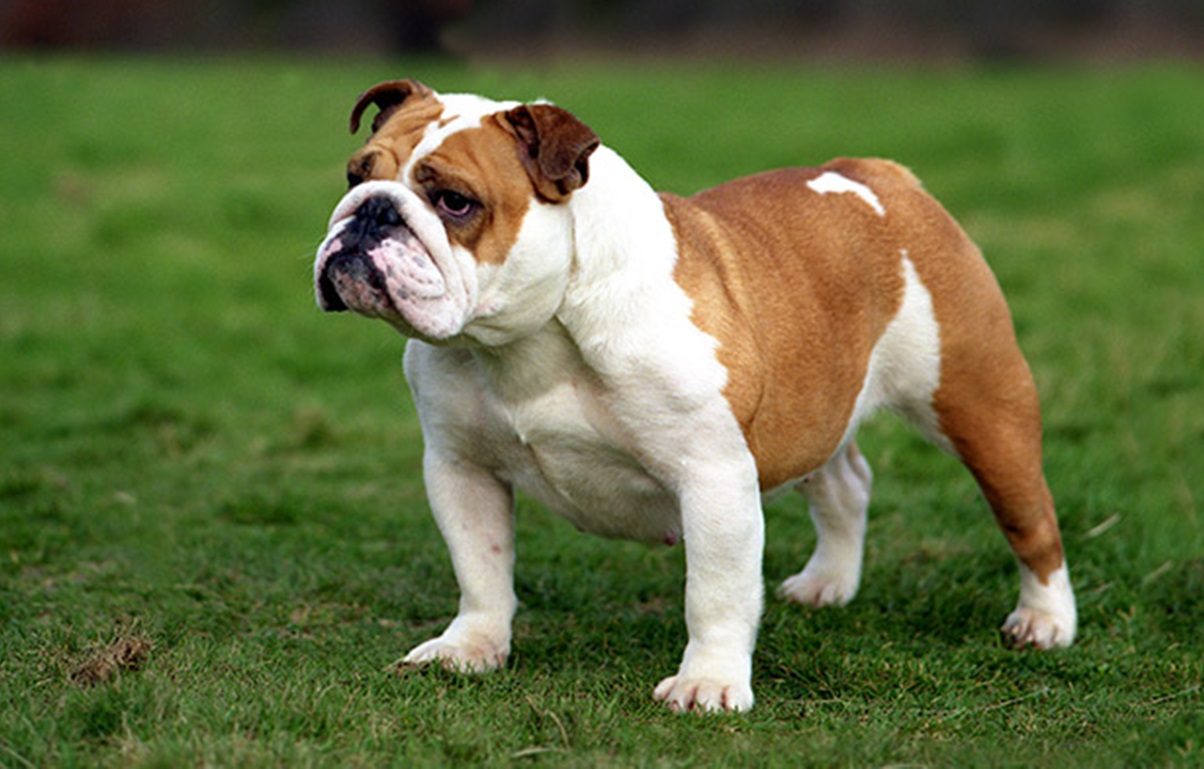
The Bulldog is a medium breed in the Non-Sporting group, typically standing 14–15 in and weighing 40–50 lbs. Expect a lifespan of 8–10 years with good preventive care. Personality is best described as calm, courageous, friendly.
Breed history & origin
The Bulldog traces its origins to England, with the breed taking recognisable form in the 1500s. Its original purpose — bull-baiting (banned 1835) — shaped almost every physical and temperamental trait still visible in the breed today.
As a medium member of the Non-Sporting group, the Bulldog was selectively bred for independent decision-making, steady temperament and an even pace. Modern owners describe them as calm, courageous, friendly — qualities deeply rooted in that working heritage.
The American Kennel Club formally recognised the Bulldog in 1886. Internationally, the FCI places the breed in Group 2 — Pinscher and Schnauzer / Molossoid.
Several moments shaped the modern Bulldog. After bull-baiting was outlawed in 1835, the breed was on the verge of extinction — modern bulldogs were rebuilt as gentle companions. They are the official mascot of the United States Marine Corps, Yale, Georgetown, and 40+ other institutions.
Today the Bulldog thrives as a companion, mascot. It remains one of the more recognisable breeds at North American dog shows and in homes across Canada and the United States, where its combination of calm and family-suitability continues to draw new owners every year.
Like every purebred, the Bulldog carries genetic risks tied to its small founding gene pool. Conscientious modern breeders screen for the conditions listed in the health section below and breed for longevity, structural soundness, and stable temperament — the three pillars of a responsibly preserved breed.
- Country of origin
- England
- Era
- 1500s
- Original purpose
- Bull-baiting (banned 1835)
- Modern purpose
- Companion, mascot
- AKC recognition
- 1886
- FCI group
- Group 2 — Pinscher and Schnauzer / Molossoid
Breed timeline
- 1500sBulldog develops in England
- 1886Formal kennel club recognition in the Non-Sporting group
- TodayEstablished as a companion, mascot
Appearance
- Coat length
- Short
- Coat texture
- Smooth or wiry single coat
- Undercoat
- Light undercoat
- Body
- Well-proportioned athletic build
Temperament
Bulldogs are calm, courageous, friendly. With early socialization and positive-reinforcement training in the critical 8–16 week window, they grow into well-adjusted adults that fit a wide range of households.
Exercise & activity
Adult Bulldogs need 20–40 minutes/day, split between leashed walks and off-leash play. Under-exercised dogs of this breed are the #1 source of behaviour complaints — chewing, barking, and pulling.
Grooming & shedding
Wash-and-wear coat. A weekly brush and an occasional bath keeps a Bulldog tidy.
Moderate shedder. Regular brushing controls it; a vacuum-shedding tool helps in spring and fall.
Nutrition guide
Feed a high-quality all-life-stage or medium-breed puppy formula with balanced calories and DHA for brain development. Bulldog puppies thrive on 3 measured meals per day until 6 months, then 2 meals. Look for AAFCO statements naming "growth" or "all life stages," and skip filler-heavy grocery brands.
Feed an AAFCO-approved all-life-stages puppy formula. 3 meals/day until 6 months, then 2/day.
Adult Bulldogs do well on a high-quality kibble (≥ 25% protein, ≤ 15% fat) split into two meals. Free-feeding is the #1 cause of obesity in this breed.
From age 8, transition to a senior formula with glucosamine/chondroitin and reduced calories.
700–1,000 kcal/day
Common allergies: Most common triggers in this breed: chicken, beef, dairy, wheat. A novel-protein diet (duck, salmon, venison) helps if itching or GI issues persist.
- • Grapes & raisins
- • Chocolate
- • Onions & garlic
- • Xylitol (peanut butter labels!)
- • Cooked bones
- • Macadamia nuts
Training guide
Crate-train from day 1. Bulldog puppies can hold their bladder roughly (age in months) hours — set a timer and take them out after every nap, meal, and play session.
Use a crate just large enough to stand and turn around. Never use it as punishment. Most Bulldogs accept the crate within 2 weeks with kong-and-meal pairing.
Bulldogs have an independent streak. Keep sessions ≤ 5 minutes, very high-value rewards, and end on a win.
Critical window is 8–16 weeks. Aim for 100 new people, 50 new dogs, and 25 new environments before 4 months — vaccinated, controlled, positive exposures only.
Focus on rock-solid basics first; advanced sports work best from 18+ months with this breed.
- ×Skipping puppy class because the dog ‘seems fine’
- ×Using punishment for fear-based behaviour (escalates it)
- ×Repeating the cue word — say it once, then enforce
- ×Free-feeding (kills food motivation for training)
Health database
Lifespan: 8–10 years. Below are the conditions vets most commonly screen for in this breed — for education only, always consult your veterinarian.
Lower than average
Low
Standard screening recommended
Average
Average
$500–$900 CAD
Common health concerns
- ▸Dental disease
- ▸Obesity (over-feeding)
- ▸Patellar luxation
Recommended screening
- ▸Patella evaluation
- ▸CERF / OFA eye exam
- ▸Cardiac auscultation
- ▸Annual blood panel
Educational only — always consult your veterinarian.
Living requirements
- Apartment
- Excellent
- House
- Yes — ideal
- Urban
- Strong
- Rural / farm
- Strong
- Cold weather
- Average — needs a jacket below freezing
- Hot weather
- Tolerant
- Barking level
- Average
- Separation anxiety
- Above average — bred for human company
- Escape risk
- Average
- Space
- Apartment OK with daily exercise
Cost of ownership (Canada)
Reputable Canadian breeders typically charge $1,800–$3,500 for a Bulldog puppy. Plan for $2,000–$3,400 in annual cost of ownership covering food, vet visits, insurance, training, and grooming.
$1,800–$3,500
$2,000–$3,400
$45–$90 / month CAD
Pros & cons
- +Excellent with children and other family pets
- +Adapts well to apartments and condo living
- −Independent streak — needs patient, consistent training
Ideal owner profile
Fun facts
- 1.After bull-baiting was outlawed in 1835, the breed was on the verge of extinction — modern bulldogs were rebuilt as gentle companions.
- 2.They are the official mascot of the United States Marine Corps, Yale, Georgetown, and 40+ other institutions.
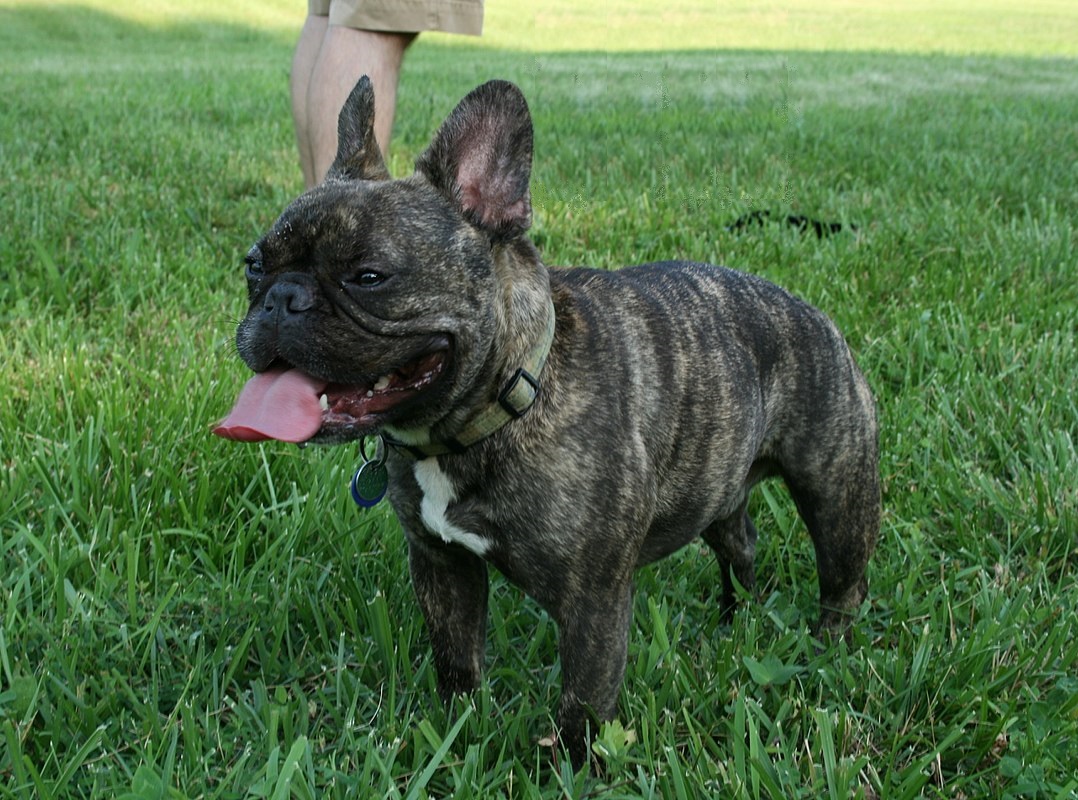
- 3.Like Frenchies, most are born by C-section due to large heads and narrow hips.
- 4.The Churchill Insurance bulldog and Winston Churchill's iconic ‘bulldog spirit’ helped cement the breed as a symbol of British grit.
- 5.Bulldogs live 8–10 years on average with good preventive care.
- 6.Adults stand 14–15 in and weigh 40–50 lbs.
- 7.Daily exercise needs: 20–40 minutes/day.
- 8.Classified in the Non-Sporting group.
Bulldog vs popular breeds
| Trait | Bulldog | Labrador Retriever | Golden Retriever | German Shepherd | French Bulldog | Poodle (Standard) |
|---|---|---|---|---|---|---|
| Size | Medium | Large | Large | Large | Small | Large |
| Lifespan | 8–10 years | 11–13 years | 10–12 years | 9–13 years | 10–12 years | 10–18 years |
| Energy | 2/5 | 5/5 | 4/5 | 5/5 | 2/5 | 4/5 |
| Trainability | 2/5 | 5/5 | 5/5 | 5/5 | 3/5 | 5/5 |
| Family-friendly | 4/5 | 5/5 | 5/5 | 4/5 | 4/5 | 5/5 |
| Apartment | 4/5 | 2/5 | 2/5 | 2/5 | 5/5 | 3/5 |
| Shedding | 3/5 | 4/5 | 4/5 | 5/5 | 3/5 | 1/5 |
| Exercise | 20–40 minutes/day | 60–90 minutes/day | 60–90 minutes/day | 60–90 minutes/day | 20–40 minutes/day | 60–90 minutes/day |